


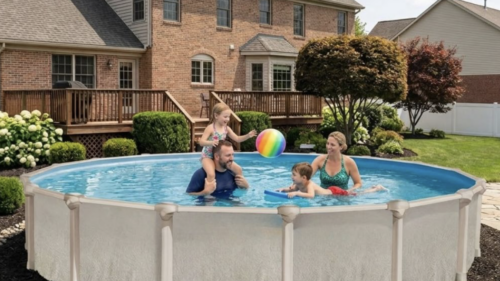
Summer memories happen in your backyard. At Litehouse Pools & Spas, we help families across Northeast Ohio and Erie, PA, find the perfect above ground pool to turn ordinary afternoons into splash-filled adventures. The right pool makes all the difference between a purchase you tolerate and an investment your family uses every single day.
Choosing an above ground pool feels overwhelming when you’re staring at different materials, sizes, and price points. This guide breaks down the main pool types so you can make a confident decision based on what actually matters for your space and budget.
Key Takeaways
- Steel pools offer the best durability and can last 15-20 years with proper care, making them ideal for families planning long-term use
- Resin pools resist rust and corrosion completely, perfect for coastal areas or regions with harsh winters
- Hybrid pools combine steel strength with resin’s rust resistance for balanced performance
- Aluminum pools provide lightweight installation and complete rust protection at a higher price point
- Above ground pools cost $4,000-$12,000 installed, up to 15 times less than inground options
Steel Frame Above Ground Pools
Steel pools dominate the market for good reason. They cost less than other options while delivering serious structural strength. The steel walls and frame support larger water volumes, which means you can go bigger without worrying about stability.
These pools work best for families who plan to keep their pool in one spot for years. The steel construction handles rough play, diving boards (when depth allows), and constant use from kids who treat the pool like their personal water park.
Best for:
- Budget-conscious families who want maximum size for their money
- Backyards with stable, level ground
- Climates with moderate winters, where you can winterize properly
- Families who value durability over portability
The main consideration with steel pools is rust prevention. You need to maintain the protective coating and keep the pool chemistry balanced. Neglect these basics, and you’ll see rust spots within a few years. Proper maintenance and following CDC pool safety guidelines will help ensure your pool remains safe and functional for years.
Resin Frame Above Ground Pools
Resin pools completely solve the rust problem. The entire frame is made of composite materials that won’t corrode, even if you live near the ocean or in areas with heavy snow and ice. You pay more upfront, but you eliminate the biggest maintenance headache that steel pool owners face.
The resin construction also means these pools look better longer. The materials don’t fade or stain the way metal can, so your pool maintains its appearance year after year.
Best for:
- Coastal properties where salt air accelerates corrosion
- Cold climate regions with harsh winters
- Families who want minimal maintenance requirements
- Homeowners prioritizing long-term appearance
Resin pools typically cost 20-30% more than comparable steel models. You’re paying for materials that last longer with less upkeep. For many families, that tradeoff makes sense.
Hybrid Above Ground Pools
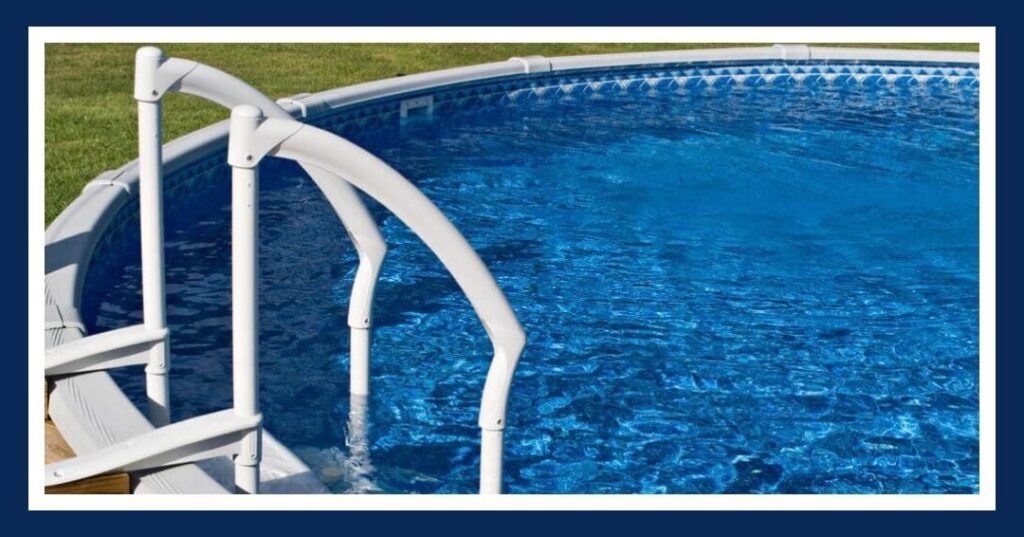
Hybrid pools give you the best of both worlds. They use steel for structural components where you need strength, and resin for parts exposed to water and weather. This design delivers steel’s affordability and strength while protecting against rust where it matters most.
Most hybrid pools feature steel walls with resin top rails, uprights, and bottom plates. The steel provides the backbone, while resin components handle the areas most vulnerable to corrosion.
Best for:
- Families wanting durability without premium pricing
- Moderate climates with seasonal temperature swings
- Homeowners seeking a middle-ground solution
- Buyers who want some rust protection without full resin costs
Hybrid pools represent a smart compromise. You get meaningful rust resistance in critical areas while keeping costs closer to all-steel models. According to market research, the above ground pool industry is growing from $3.12 billion in 2025 to $4.01 billion by 2030, with hybrid models driving much of that expansion.
Aluminum Frame Above Ground Pools
Aluminum pools sit at the premium end of the above ground pool market. They never rust, they’re lighter than steel (making installation easier), and they maintain their appearance indefinitely. You’re looking at the highest upfront cost, but you’re also getting a pool that could outlast your time in the house.
The lightweight construction means two or three people can handle installation without heavy equipment. If you ever move, you can disassemble and relocate an aluminum pool more easily than heavier alternatives.
Best for:
- Families planning to stay in their home long-term
- Properties where professional installation is difficult or expensive
- Buyers who prioritize quality over initial cost
- Homeowners who might relocate and want to take the pool with them
Aluminum pools cost significantly more than steel or hybrid options. You’re investing in materials that perform flawlessly for decades. For families who can afford the upfront expense, aluminum delivers the lowest lifetime cost per year of use.
Size and Shape Considerations
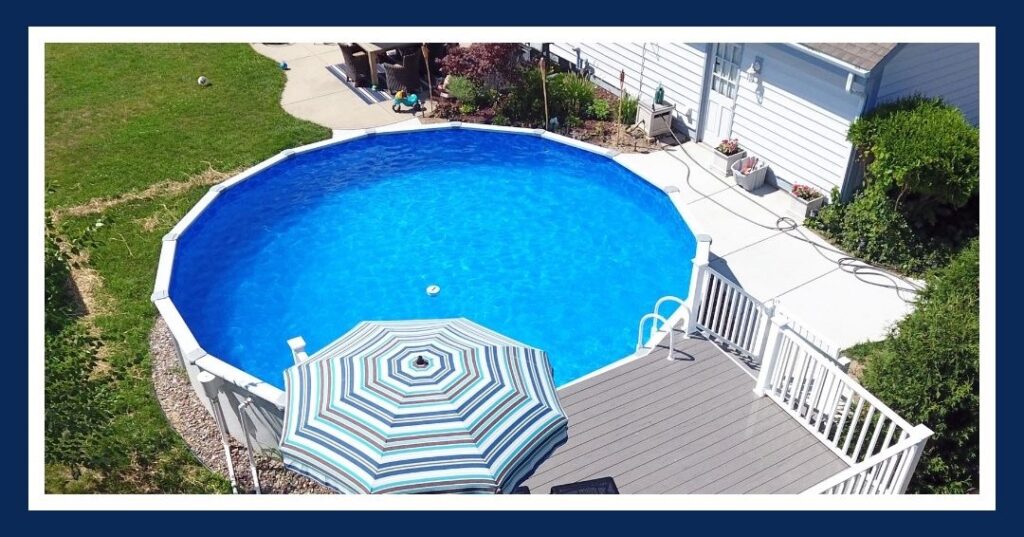
Pool type matters, but so does size. Round pools offer the most swimming area for your dollar because the circular shape provides maximum volume with minimum wall material. Oval and rectangular pools look more like traditional inground designs and fit better in narrow yards.
Most families find that 24-foot round pools or 15×30 oval pools provide enough space for swimming, games, and lounging without overwhelming a typical suburban backyard. Smaller pools (18-21 feet) work fine for cooling off, but feel cramped when you have more than 4-5 people in the water.
Remember that professional installation typically takes just two days, so you can be swimming this weekend instead of waiting weeks like you would with an inground pool.
Frequently Asked Questions
How long do above ground pools last?
Steel pools typically last 7-15 years, resin pools 15-20 years, and aluminum pools 20+ years with proper maintenance. Your actual lifespan depends on climate, water chemistry management, and winterization practices.
Do above ground pools add value to my home?
Above ground pools typically don’t increase home resale value because they’re removable, but they also won’t decrease it. You’re buying for family enjoyment, not investment returns.
What’s the real cost difference between pool types?
Steel pools start around $4,000 installed, hybrid pools run $5,000-$8,000, resin pools cost $7,000-$10,000, and aluminum pools range from $8,000-$12,000. These prices include basic installation but not decking or landscaping.
Find Your Perfect Pool at Litehouse Pools & Spas
The right above ground pool depends on your budget, climate, and how long you plan to use it. Steel pools deliver value for families on a budget. Resin pools eliminate rust concerns. Hybrid pools balance cost and durability. Aluminum pools provide premium performance for buyers who want the best.
Visit any of our 15 Litehouse Pools & Spas locations to see these pool types in person. Our team will help you compare options, understand installation requirements, and find the pool that fits your backyard and budget. We’ll show you exactly what each pool type looks like, feels like, and costs so you can make a decision you’ll feel good about for years to come.

