


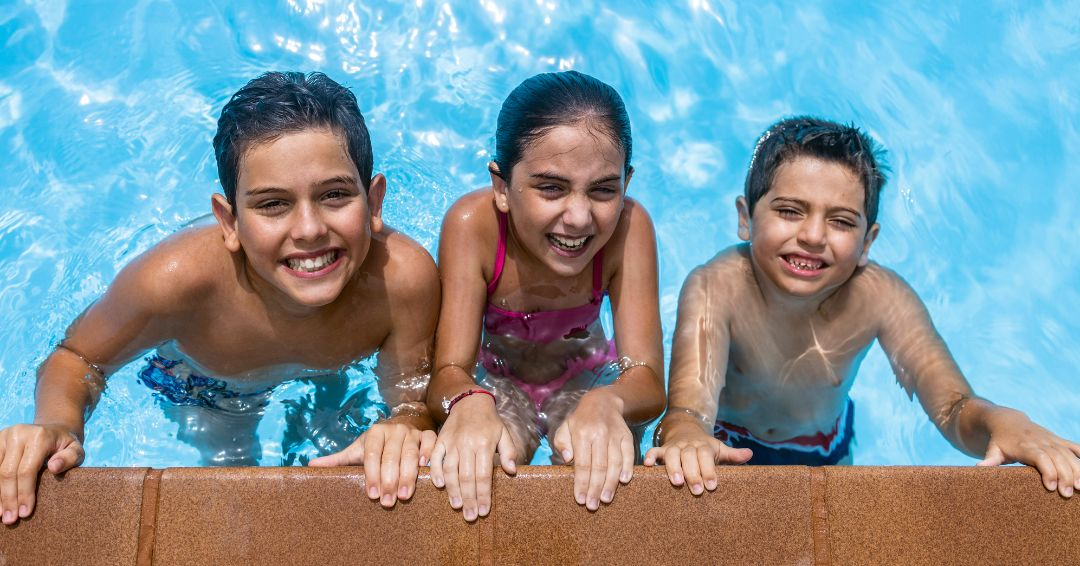
Planning an inground swimming pool for kids means more than just picking a shape and a color. The right design keeps younger swimmers safe, gives older kids room to play, and turns your backyard into the place every neighborhood kid wants to spend summer. Here’s what to think through before you build, and how to make the most of it once you’re in.
Key Takeaways
- A shallow end of 2–3 feet with a gradual slope is the safest and most practical design for younger swimmers
- Four-sided pool fencing with a self-latching gate is the single most important safety feature for families with young children
- Pool chemistry should be tested 2–3 times per week during heavy use — high bather load drops chlorine levels faster than most people expect
- Kid-friendly add-ons like nets, basketball hoops, and tanning ledges add fun without significantly increasing build cost
- Swim lessons are one of the most effective drowning prevention tools available for children
What Makes an Inground Pool Great for Kids?
A kid-friendly inground pool combines three things: appropriate depth, safety features, and enough room for the activities kids actually want to do. Pools designed with adults only in mind tend to be too deep, too plain, and too easy for kids to get hurt in. Getting those three elements right from the start saves money on retrofits and creates a space kids will actually use.
The good news is that building with kids in mind doesn’t limit what adults can enjoy. A well-designed pool serves the whole family.
What Depth Should an Inground Pool Be for Kids?
Pool depth is one of the most important decisions in the design process. For younger or less confident swimmers, you want a substantial shallow end where they can stand comfortably and build water confidence without anxiety.
A few depth guidelines to consider:
- Toddlers and young children (ages 2–6): 2–3 feet of water is ideal for supervised play
- School-age children (ages 7–12): 3.5–4 feet lets them stand and play games without being in over their heads
- Teens and adults: A gradual transition to 5–6 feet in the deep end accommodates diving games and adult swimming
Avoid sharp drop-offs from shallow to deep. A gradual slope, sometimes called a beach entry or tanning ledge entry, provides younger swimmers with a visible, intuitive boundary and reduces the risk of accidentally stepping into deeper water.
Kid-Friendly Pool Features Worth Adding
A few thoughtful additions turn a standard pool into a backyard destination:
Nets and basketball hoops are inexpensive and wildly popular with kids of all ages. Water sports eliminate height and strength advantages, which means siblings of different ages can actually play together on even footing. The resistance of the water also tires kids out faster, which has its own advantages come bedtime.
Tanning ledges and sun shelves at a depth of 6–12 inches give toddlers and non-swimmers a place to splash without being in the pool itself. Parents can sit in a lounge chair directly in the water while keeping an eye on everyone.
Pool slides and water features add serious fun value. Small waterfall features and fountain jets are lower-cost, lower-maintenance options that still make a pool feel like an event.
Underwater LED lighting extends swim time into the evening and adds an element kids find genuinely exciting.
Inground Pool Safety Rules and Features for Families
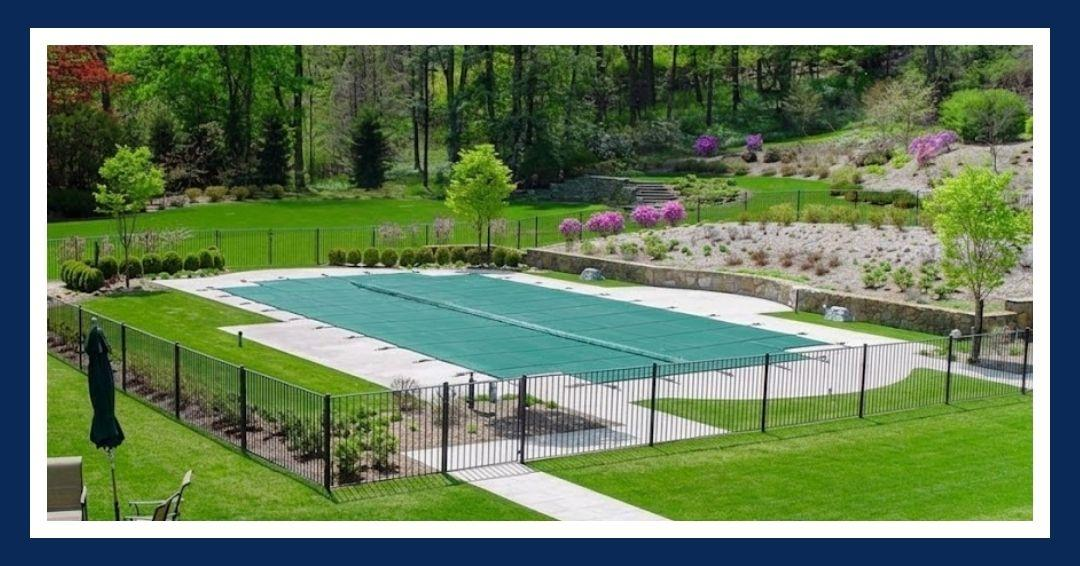
Water safety is non-negotiable. According to the CDC, drowning is the leading cause of accidental death for children ages 1–4 and the second leading cause for children ages 5–14. Most of these incidents are preventable with the right physical barriers and supervision habits.
Physical safety essentials:
- Four-sided pool fencing at least 4 feet tall with a self-latching, self-closing gate fully enclosing the pool and separating it from the house
- Pool alarms on gates and doors that lead to the pool area
- Pool cover that can support weight and locks securely when the pool is not in use
- Drain covers that meet ANSI/APSP safety standards to prevent entrapment
Supervision and rules:
Establish clear rules your kids know by heart before anyone gets in the water:
- No running on the deck
- No diving in shallow water
- Always swim with a buddy
- No rough play near the pool edge
- No diving into a pool unless the depth and clearance have been verified
Always designate a responsible adult to actively watch swimmers.Drowning can happen silently in seconds.
If your children aren’t strong swimmers, formal swim lessons are one of the most effective safety investments you can make. Research shows that swim lessons significantly reduce drowning risk for young children.
Keeping Pool Water Safe and Clean for Kids
Keeping water chemistry balanced is important both for health and for the longevity of your pool equipment.
Key water chemistry targets for a family pool:
| Parameter | Ideal Range |
| Free Chlorine | 1–3 ppm |
| pH | 7.2–7.6 |
| Total Alkalinity | 80–120 ppm |
| Cyanuric Acid (stabilizer) | 30–50 ppm |
| Calcium Hardness | 200–400 ppm |
Test water at least 2–3 times per week during heavy use. Chlorine levels can drop quickly with high bather load, UV exposure, and heat. A well-maintained pool keeps chloramines (the byproducts that cause eye and skin irritation) low and keeps the water genuinely safe for kids to swim in.
Skim the pool at the start of each swim day. Clean filters on schedule. Shock the pool weekly during peak summer use or after a heavy swim session with lots of kids. Litehouse carries a full line of pool sanitizers, shocks, and water testing supplies to keep your chemistry dialed in all season. Pool water testing is also available at all 15 Northeast Ohio and Erie, PA locations.
Frequently Asked Questions About Inground Pools for Kids
What is the best depth for a kid’s inground pool?
For young children, a shallow end of 2–3 feet is ideal. School-age kids swim comfortably in 3.5–4 feet. Most family pools include a gradual slope from a 2–3 foot shallow end to a 5–6 foot deep end, giving every age group an appropriate zone.
What safety features should a pool have for kids?
At minimum: a four-sided fence with a self-latching gate, a lockable pool cover, pool door and gate alarms, and compliant anti-entrapment drain covers. These physical barriers are the first line of defense when supervision isn’t possible.
What pool rules should kids follow?
No running on the deck, no diving in shallow water, always swim with a buddy, no rough-housing near the edge, and always swim with adult supervision present. Review the rules before every swim session until they become automatic.
How often should I test pool water with kids swimming regularly?
During peak season and regular family use, test water chemistry 2–3 times per week. After a large group swim or a rainstorm, test and adjust immediately. Chlorine levels drop faster than most people expect under heavy use.
Are salt water pools better for kids?
Salt water pools use a chlorine generator to produce chlorine naturally from salt. They typically maintain lower chlorine levels and produce softer-feeling water, which many families find more comfortable for kids with sensitive skin. They still require regular testing and chemistry management.
Can toddlers swim in an inground pool?
Yes, with appropriate supervision and water depth. A tanning ledge or sun shelf (6–12 inches of water) is ideal for toddlers, giving them a place to play safely while an adult is within arm’s reach.
Ready to Build a Pool Your Kids Will Love?
The best family inground pools are designed from the start with everyone in mind: the right depth zones, the right safety features, and a few well-chosen add-ons that make the whole experience more fun. At Litehouse Pools & Spas, we’ve been helping Northeast Ohio and Erie, PA families build backyard spaces they love for decades.
Contact Litehouse Pools & Spas today to talk through your inground pool project, or browse our inground pool options to start exploring what’s possible.

